Call us :
+233 204191600
Email us :
info@ideasghana.org.gh
Call us :
Email us :
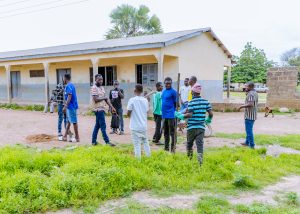
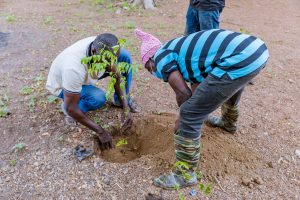
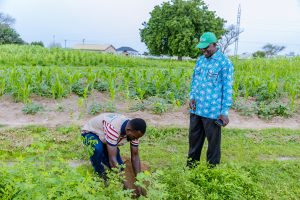
SmartSHEAR is a 12-month climate and health resilience project designed to reduce the vulnerability of communities in Yarigabisi to the growing risks associated with extreme heat and air pollution. The project recognises that rising temperatures and deteriorating air quality disproportionately affect children, older persons, pregnant and breastfeeding women, people with existing vulnerabilities, and outdoor workers, while also contributing to reduced productivity, food spoilage and pressure on local health services.
Project Goal
Reduced health vulnerability of the Yarigabisi community (especially children, the elderly, pregnant women, and outdoor workers) to extreme heat and air pollution, achieved through data-driven early warnings and locally-led, women-centred adaptation.
What the Project Will Do
The project will establish a community-based heat and air-quality early warning system that combines technology with local knowledge and community action.
Nine environmental sensors will be installed across the community to monitor temperature, microclimate conditions and PM2.5 air pollution. The information generated will be used to develop short-term forecasts of heat and air-quality risks. When dangerous conditions are predicted, registered households will receive alerts through SMS and voice messages in Frafra and Twi, allowing them to take early protective measures.
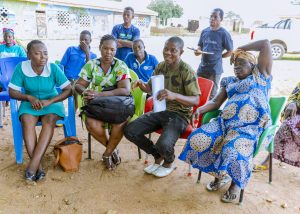
The project will also work with schools and health facilities to strengthen their preparedness. Teachers and CHPS staff will be trained to recognise and respond to heat-related illnesses, while community Heat Wardens will support awareness, early response and referrals.