
Call us :
+233 204191600
Email us :
info@ideasghana.org.gh
Please add some widget in Offcanvs Sidebar
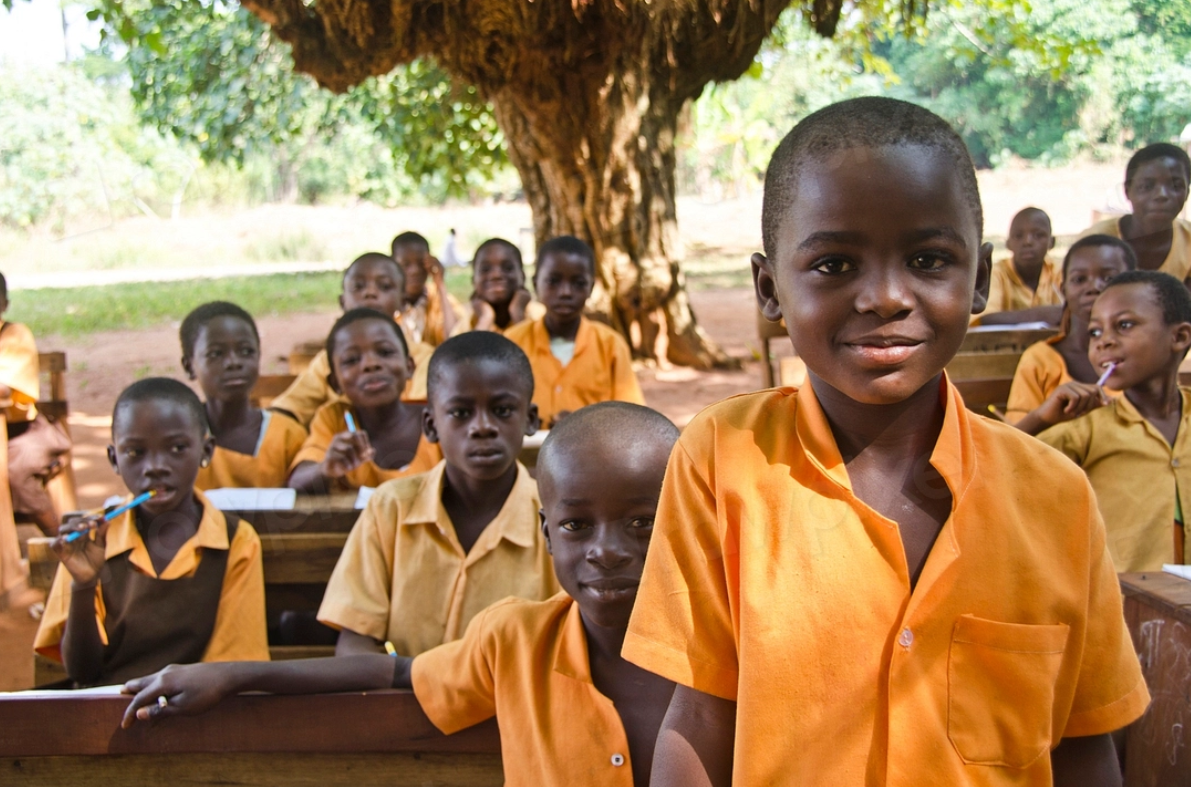
A typical volunteer day looks like this.
In Ghana, the sun rises at 6 am every day, all year. Most people tend to wake up with the sun. You will probably wake between 6 and 7 am. You will most likely wake to the sound of roosters crowing, as this is a rural environment. You might like a lie in or maybe you want to jump up and make a cup of tea or coffee and breakfast.
You can buy long bread rolls for 50 cents each, a box of oatmeal for $7 and milk in tins for $1. Eggs are 20 cents each. Flour for pancakes is abundant and inexpensive. You can make breakfast at your accommodation or buy a takeaway “chop” bar meal (street side stall) for as little as US50 cents.
Catch up on emails/messages. Have a chat with fellow volunteers. Have a shower if showering in the morning is your preference. Get ready to set off for the day. Head into the IDEAS Ghana office, a few minutes away. Don’t forget water bottle, lunch, if you make it, sunscreen, hat, sunglasses, mosquito spray, and notebook and pens.
The office opens at 8 am and closes at 5 pm, but volunteers usually work 6-7 hours/day and are welcome to arrive and leave when it suits you, especially if you get involved in cultural activities or need some time to take care of personal matters.
If it’s a Monday, first thing in the morning we have a weekly progress meeting. Each staff and volunteer updates the team, and we address challenges together. Volunteers are encouraged to join the meeting, as you are part of the IDEAS Ghana team. You are welcome to contribute all your ideas. IDEAS Ghana’s philosophy, as the name of the organisation suggests, is that “all ideas are welcome”.
The start of volunteer work.
Get stuck into your volunteer project.
Depending on your individually crafted project, this could include graphic design, writing a grant proposal, editing a video documentary or photos, helping update our website, running a workshop for any of our long-term projects such as women’s empowerment, heading off to a school or community group to lead a workshop on climate change mitigation, creating social media communications, planting trees with school children, analysing supply chain challenges in agricultural supply chains, conducting a conflict transformation workshop, and so on.
Review where you were up to. Start a new task.
This may involve sitting in the office. We have a very spacious office with large tables to accommodate up to 18 people, free tea and coffee making, a kitchen, fridge, fans, an AV projector, large television for facetiming for meetings, flip chart stands, whiteboards, large airy windows, a shaded garden veranda, and clean, flushing toilets and washbasins. It is a very pleasant space to work. We have two break out, hot desk office spaces where you can spend time working in silence with the door closed, if you like.
It is also a great space for workshops and we can hold up to 50 participants. Maybe it’s a workshop day in one of our projects, and you may be involved in helping run the workshop, co-facilitating or supporting the facilitators.
You might spend all morning working on a project that is computer-based. It is up to you and your task list. This is a good time to exchange ideas with colleagues or consult each other as to next steps, if you are working together.
About once a week or fortnight, anyone in the office can join IDEAS Ghana staff in viewing live United Nation’s webinars on subjects relevant to IDEAS Ghana program areas. The organisation subscribes to live webinars and joins the relevant ones so that they stay up to date with developments in the UN system and can increase staff capacity. The webinars are run by key UN personnel and usually have speakers from across various regions of the world imparting valuable research, policy, practice and resources. Recently we have been viewing World Food Program webinars live, and you will be welcome to join.
[Side note: Did you know many agencies of the UN host well-designed, free training courses on all areas of their work? You can learn a huge amount with UN online courses, for free! You can even obtain a Diploma on International Environmental Law and Governance (scroll down on that link), if this is your thing, from InforMEA Learning: United Nations Information Portal on Multilateral Environmental Agreements. InforMEA Learning is just one training platform. We have curated a long list of free UN training courses, covering hundreds of courses, from across all organisations in the UN system and we provide this as part of your Volunteer Planning Toolkit in case you are interested. Please know that these are not necessary to volunteer. We simply know that they are not well known and we felt volunteers may like to know about them in case they align with your studies, future aspirations or work.]
If you are undertaking field work, school or community work, you might head off for the morning or day. It is always good to head off early before it gets too hot. You will most likely catch a “can do”, a small vehicle like a tuk-tuk which takes you short distances up to about 10 kms.
If you are out in the field, you will wear a hat and cover arms and legs in case of insect bites, intense sun, and for safety.
Time for a break. You can pop into town if you need anything. There are several supermarkets with lots of imported and locally produced goods such as cheese, chips/fries, instant coffee, yoghurt, ice-cream, shampoo, etc. The banks are very close to these shops. And there are any number of small chop bars to buy food.
If you’re at the office, we have a couple of street chop bars within two minutes walk selling rice, beans, egg and tomato stew for $1, or freshly fried yam chips with salty spice for $1.
Continuation of volunteer work, with time for breaks.
In the afternoon, you may be scheduled to head out to field work with one of IDEAS Ghana staff, such as climate change workshops at school with tree planting activities or workshopping with, photographing or interviewing the women in the Access to Productive Lands projects for communications.
Maybe you are heading off to a village community meeting for the first round of negotiations to negotiate access to productive lands for a new women farming group. Maybe you are helping to develop standards for analysing the soil as part of organic certification or verification.
You may be heading out to school to help research as part of our dyslexia research project at Primary Schools in the Upper East Region where will survey awareness of dyslexia, class and family supports and ongoing needs.
Or maybe you are heading to a community group meeting to undertake a day of conflict transformation workshop training. We have a wide range of projects active at any given time and your project will let you get involved in almost every part of project activities.
Or maybe it is one of the days when you hunker down and work on a project in-depth on a computer—graphic design, grant proposal writing—and hang out in the office with the office-based staff. Whatever stage you are at, we ensure your time and schedule are flexible and let you lead your priorities and task lists.
Other kinds of volunteer project activities include helping train Advocacy Agents who return to communities across Ghana and negotiate access to productive lands for women in their villages. When women acquire land on a negotiated basis that provides future certainty in writing, as our process does, they can confidently grow produce for income and family needs.
You may find your volunteer project includes helping negotiate access to land in a community elders stakeholder discussion, helping train women entrepreneurs on small business management, creating farm to market supply chain connections for organic vegetable producers, supporting a conflict transformation focus group discussion with the communities in the Upper East Region, helping negotiate sustainable prices for basket weavers and find solutions to the access to fair basket prices problem, and so on.
If it’s Thursday or Friday, we hold your weekly volunteer check-in with an IDEAS Ghana staff member. This is to check in with you on project progress; to answer questions, problem solve on your project and resolve cultural challenges or any other challenges. We schedule the time of the check-in the week before, so we can be sure we are all free.
We close the office at 5 pm, promptly, so you can head off home or wherever you are going after this.
Dinner and free time for socializing with other volunteers or local staff.
You may like to head off to your volunteer accommodation. Maybe you are doing a spot of shopping on the way home. Maybe you have a favourite chop bar where you buy dinner, or a favourite stall selling ingredients for dinner. Bolgatanga is one of the least expensive places for food in Ghana.
Eating together and exchanging stories from the day is one of the nicest ways to wind down and a highlight of the day for many volunteers. This is where you get to know each other, laugh, tell stories and help each other out on projects.
You will probably find that the volunteers here when you arrive have a nightly cooking or dinner routine sorted and you will likely find your rhythm and preferences around this.
Have a shower if showering in the evening is your preference. You can get very sweaty and dusty some days and most people find showering in the evening is refreshing.
Check out our traveling in Ghana brochure for ideas on what you can do on your weekends and time off to travel.
No matter what time it is during your volunteer day, we provide 24/7 support in case of emergencies. Staff live within a few minutes of volunteer accommodation, and supportive, helpful and educated neighbours are in place for immediate needs if you have an immediate emergency, such as a fall or some such thing. You just need to call out or call us.
Likewise, while you are traveling please feel free to call us at any time if you are having an emergency and we will help.
We also offer 24/7 support and counselling with staff via phone and in-person in the office at your request.
Head over to these pages to learn
* About Ideas Ghana volunteer program
* Volunteer fees
* How to apply
* See programs in action
* Ghana travel clips